


The American Society for the Study of Liver Diseases (AASLD) has identified that There is an essential vitamin capable of protecting the liver and reversing fibrosis in patients with non-alcoholic steatohepatitis (NASH).
This finding marks a relevant advance for those who suffer from liver diseases associated with fat accumulation, a condition that continues to increase in global prevalence.
According to what was disseminated by the American Society for the Study of Liver Diseasesa study that included 3,746 patients diagnosed with fatty liver demonstrated that the administration of this vitamin, in doses of 400 to 800 international units (IU) per daywas associated with a significant reduction in liver fibrosis over a follow-up of approximately two years.
The evidence was collected in the analysis of the organ’s elasticity, a key indicator of the progression of the disease.

The main protagonist in the prevention and treatment of non-alcoholic steatohepatitis (NASH) is the vitamin E (tocopherol). Its mechanism of action is based on its antioxidant capacity, which allows it to neutralize free radicals and limit inflammatory processes that damage liver cells.
The American Society for the Study of Liver Diseases emphasizes that this nutrient has been the most studied in the context of nonalcoholic fatty liver, also known as NAFLD or MASH for its acronym in English.
Vitamin E It is found naturally in foods such as nuts, seeds and olive oil. Its use in the clinical setting responds to the need to limit the progression of fibrosis and improve liver function, according to the evidence accumulated in recent years.
Among the notable data of the study cited by the AASLD is that Vitamin E supplementation made it possible to reverse part of the structural damage in the liver in a relevant percentage of the patients analyzed. This intervention is positioned as a complementary alternative to lifestyle modifications, such as weight reduction and the incorporation of a balanced diet.
Another vitamin that has caught the attention of the medical community is vitamin D. Various research has linked low levels of this nutrient with a greater risk of developing fatty liver. According to the American Society for the Study of Liver Diseases, Vitamin D helps reduce inflammation and fat formation in liver cellswhich makes it a key element for preventing the progression of the disease.

The organism obtains vitamin D through sun exposure and consumption of fortified foods, such as dairy products and some types of fish. The deficiency of this compound is associated with metabolic alterations that favor the accumulation of lipids in the liver.
Specialists highlight two main nutrients in the liver protection strategy:
- Vitamin E (Tocopherol): It acts as a protective antioxidant and is the most studied supplement in patients with nonalcoholic fatty liver. Its main sources include nuts, seeds and olive oil.
- Vitamin D: Its deficiency is associated with an increased risk of liver disease. Participates in the regulation of inflammation and fat synthesis in the liver. It is obtained through sun exposure and fortified foods.
The American Society for the Study of Liver Diseases emphasized that the use of vitamin E in doses of 400 to 800 IU daily demonstrated a measurable reduction in liver fibrosis in the group of patients evaluated. This result supports the clinical usefulness of this supplement in the context of fatty liver, always under medical supervision.
The work of the AASLD reinforces the importance of addressing the disease from a comprehensive approach, where nutritional intervention complements other therapeutic strategies. Patient follow-up and periodic evaluation of liver markers are decisive for adjusting treatment and improving prognosis.
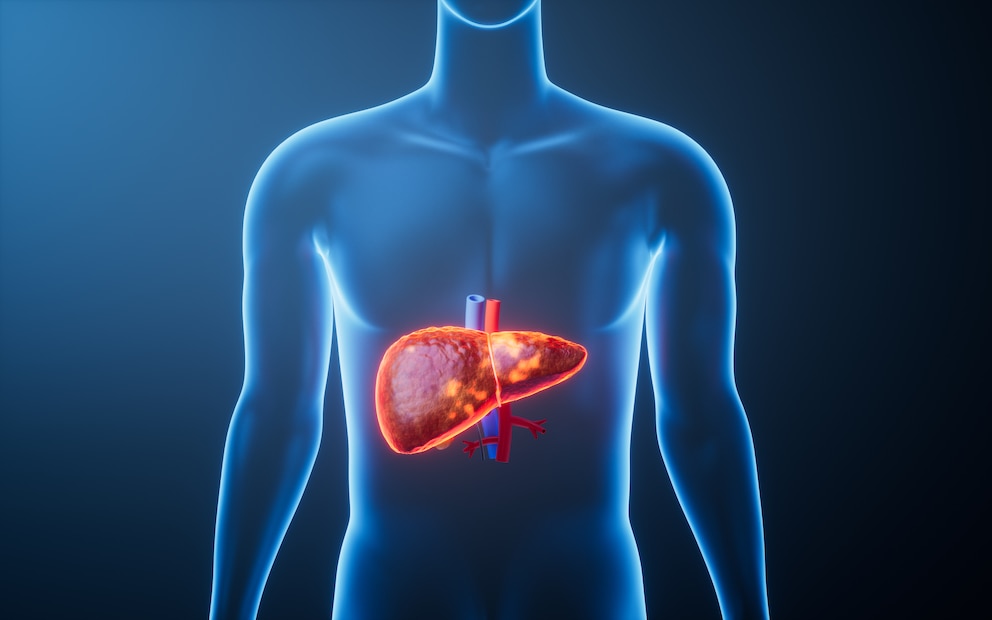
The knowledge generated from these studies offers new tools for the prevention and management of nonalcoholic fatty liver, a condition that impacts millions of people around the world. The results published by the American Society for the Study of Liver Diseases They open the door to future research on the application of vitamins in the treatment of liver pathologies.

