


(BEWARE OF SPOILERS) There are scenes that don’t end when the credits roll. They stay spinning in your head. Daeron Targaryen’s Dream The Knight of the Seven Kingdoms is exactly that: a prophecy launched at the most awkward moment possible, with dead dragons, fire everywhere and a completely confused Duncan the Tall.
The series was getting us used to a dirtier, more human Westeros, more mud on boots than grandiose speeches… until Daeron appears and unleashes a vision that changes everything. And then you are left with the feeling that you have just seen something much more important than it seemed.
The prophecy revealed in The Knight of the Seven Kingdoms
First we must remember that the premiere of episode 4 of The Knight of the Seven Kingdoms and in the new chapter Daeron Targaryen (Henry Ashton) approaches Duncan the Tall (Peter Claffey) with that face of “we have to talk”. Duncan has just learned that he needs seven combatants for the Trial of the Seven Against Aerion Targaryen (Finn Bennett), and he doesn’t exactly have plenty of allies. So the timing couldn’t be worse… or better, depending on how you look at it.
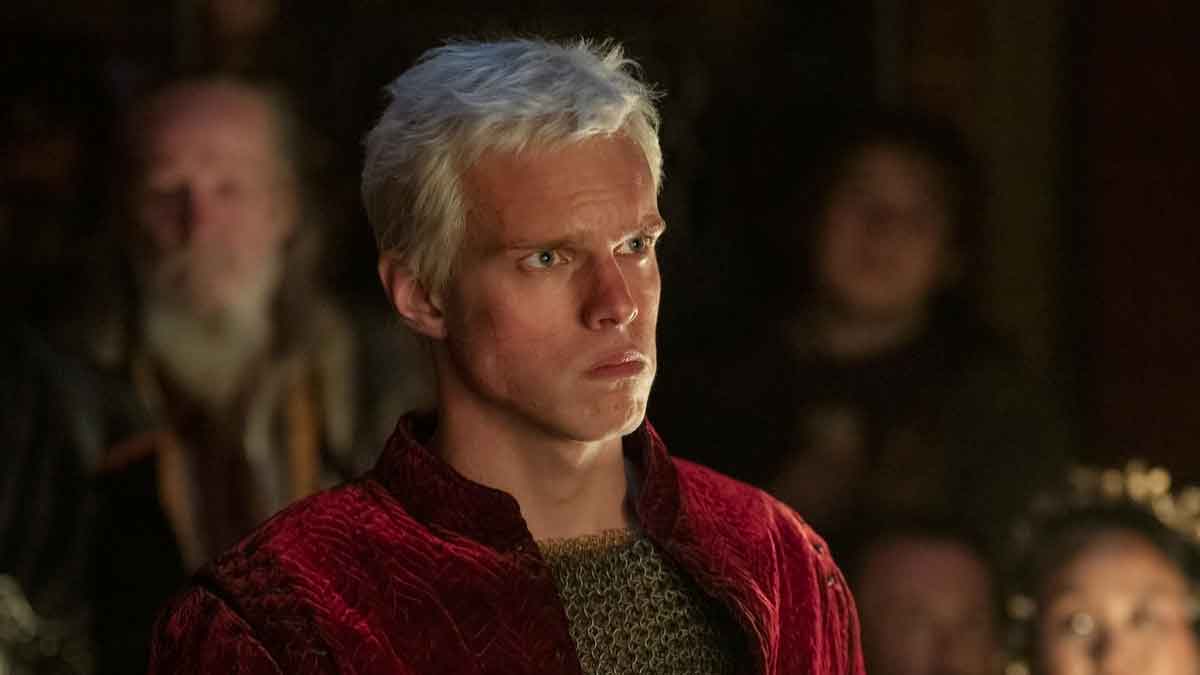
Aerion Targaryen (Finn Bennett)
Daeron, who is not just any Targaryen, confesses that he has dreamed about him. And here it is worth stopping for a second: Daeron is a Dragon Dreamer, one of those very rare members of House Targaryen capable of having visions of the future.. They are not literal dreams or high-definition videos of tomorrow, but fragments, symbols, images that come true… in their own way.
When they leave the tent and Daeron begins to describe fire, a dead dragon, and Duncan alive under the weight of that beast, the scene becomes disturbing. It is not a direct threat or a clear warning. It’s something worse: a half-truth that you don’t know how to fit.
The dead dragon and the uncomfortable question
The key detail of the dream is that “dead dragon” that has fallen on Duncan. Daeron insists that the knight is still alive, that it is the dragon that is dead. Duncan, logically, asks if he is the one who kills the dragon. And Daeron is not clear. He only knows the final result.
Here The Knight of the Seven Kingdoms plays very well with the classic symbolism of the saga. In Westeros, a dragon is not always a creature with wings and fire. Sometimes it’s a Targaryen. Sometimes a very important one.
The Fire of Dream and the Shadow of Summerhall
The first part of the vision, the fire part, seems pretty straightforward if you know the lore a little. Everything points to the famous
Summerhall tragedythat historical disaster that hovers over the history of Aegon Targaryen like a curse. The problem is that Daeron doesn’t see the whole picture, just a flare, a flash.
What is the Summerhall Tragedy?
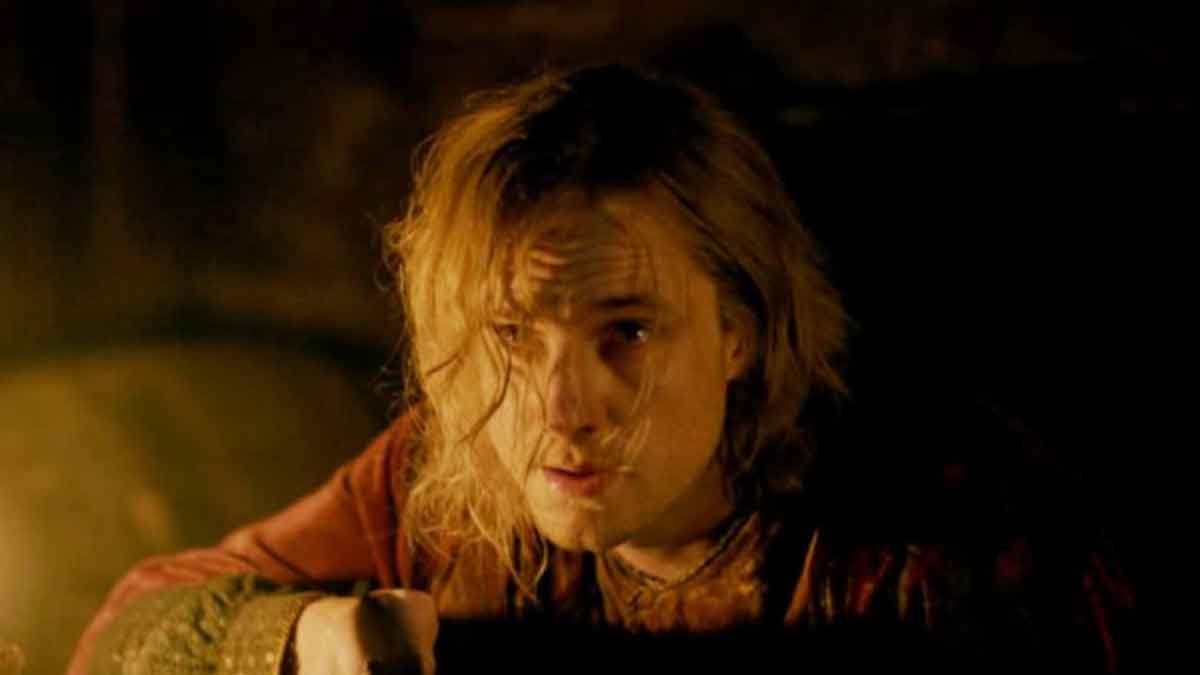
The Summerhall Tragedy is one of the darkest and most mysterious episodes of A Song of Ice and Fire. It happened in the year 259 AD, when the king Aegon V Targaryen (Egg) gathered much of the Targaryen family in his summer palace to celebrate the birth of an heir. That night, the monarch attempted to return the dragons to the world through a ritual of fire and ancient magic, convinced that the survival of his house depended on it. The experiment went wrong: the fire got out of control and Summerhall burned completely, turning the celebration into a historic tragedy.
Key figures of the dynasty died in the fire, including Aegon V himself, Duncan the Tall, Lord Commander of the Kingsguard, and Prince Duncan Targaryen, heir to the throne he had renounced for love, as well as other members of the court. The disaster dealt an almost irreparable blow to the Targaryens and accelerated their decline. However, something happened between the flames that would mark the future of Westeros: Rhaegar Targaryen was borna birth surrounded by fire, death and omens.
That’s why Summerhall is much more than a fire. Many readers believe that it was a failed attempt to fulfill the Promised Prince’s prophecy or, perhaps, that the ritual worked in an unexpected way, not by creating dragons, but by giving rise to the man destined to change the world. George RR Martin has kept the exact details of what happened secret, making the Tragedy of Summerhall a key piece of lore: a meeting point between dragons, prophecies, the return of magic and the beginning of the end of Targaryen power.
Rhaegar Targaryen is Jon Snow’s father
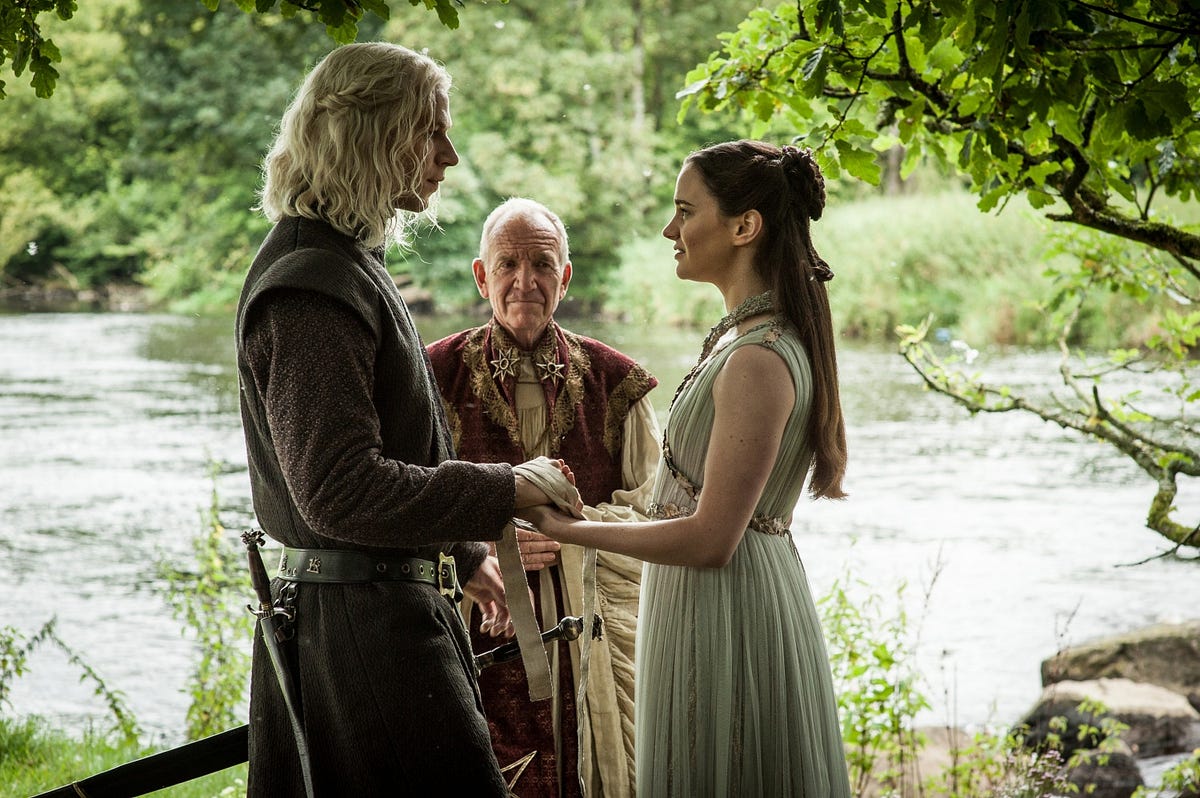
Rhaegar Targaryen is one of the most important and tragic characters in fantasy lore. song of ice and firealthough he never appears alive in the saga. He is the eldest son of the king Aerys II Targaryenthe Mad King, and the rightful heir to the Iron Throne before Robert’s Rebellion. His figure is shrouded in prophecies, songs and uncomfortable silences, and almost everything we know about him comes to us through memories and rumors.
Rhaegar was born during the Summerhall Tragedy.between flames and death, a detail that marked his life from the beginning. With a melancholic, cultured and reflective character, he was an atypical prince: he read ancient prophetic texts, composed music and preferred introspection to war. For years he believed that he himself was the Promised Princealthough later he came to think that this fate would fall on his descendants. His obsession with destiny and prophecies would end up pushing him to make decisions that would change Westeros forever.
The key event in his life was his relationship with Lyanna Stark, whom he took with him and whose supposed kidnapping triggered Robert’s Rebellion. That war ended with the death of Rhaegar at the hands of Robert Baratheon on the Trident, sealing the final fall of the Targaryens. Even so, his legacy lives on: his story connects directly with Jon Snowwith the great prophecies of the saga and with the constant feeling that Rhaegar was a man who wanted to save the world… and ended up burning it without realizing it.
The curious thing is that, in the original texts, Duncan dies in Summerhall with Egg
So the detail of “Duncan alive” It doesn’t quite fit that event. That already gives you a clue that the dream is not talking about just one thing, but about several things, mixed together like pieces of a puzzle. And that’s where the Judgment of the Seven comes in, looming in Ashford Meadow and promising to be anything but clean.
Ashford Meadow and the true dream dragon
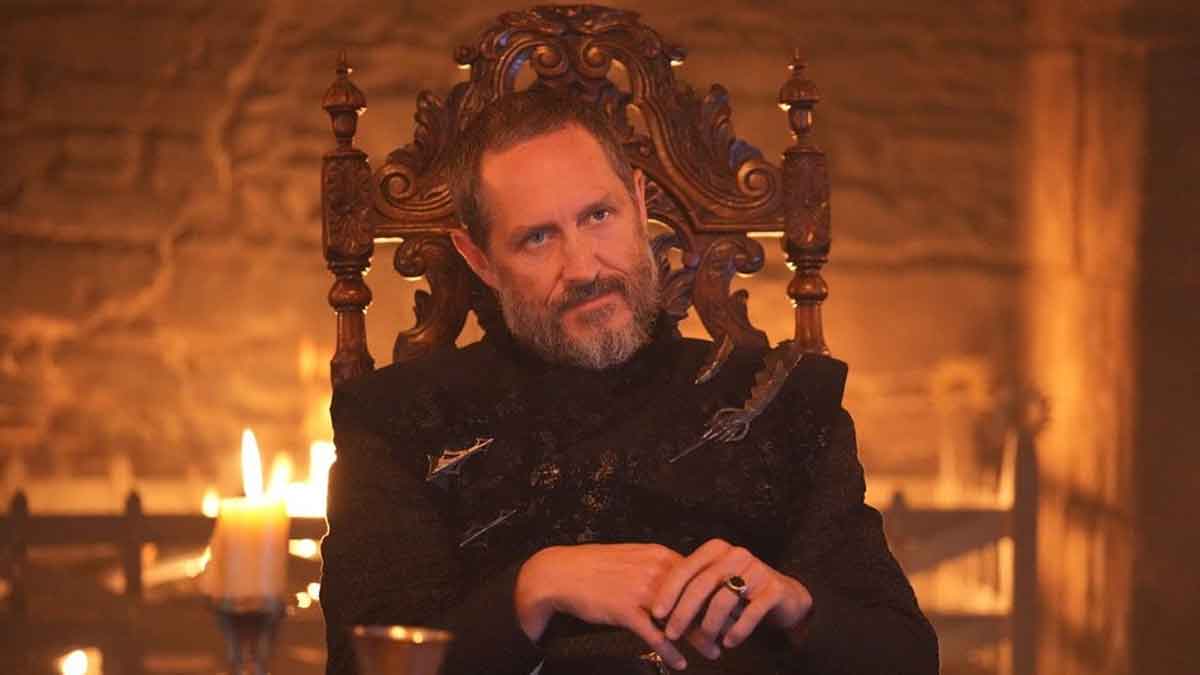
Several Targaryens participate in the Trial of the Seven, and the tension is cut with a knife. Aeroion is not alone: Maekar Targaryen (Sam Spruell) and Daeron himself are on his side. Duncan, on the other hand, arrives just in force… until he appears Baelor Targaryen (Bertie Carvel), entering the scene as if this were the last minute of a game.
If the series follows the source material, the combat is brutal. And the harshest twist comes when Maekar accidentally kills Baelor, his own brother. This is where the dream makes all the sense in the world.
Baelor is the only “dragon” who dies in that trial. And he dies, literally, fighting on Duncan’s side. The dragon falls on him because he puts himself in his place, because he protects him. Duncan does not kill the dragon with his bare hands, but without him there, Baelor would not have died. Do you see where things are going?
A sacrifice that changes everything
The image of the dead dragon on Duncan is pure Targaryen metaphor. Baelor, prince of the Seven Kingdoms and Hand of the King, is the largest dragon on the political board. His “wings” cover all of Westeros because his power and his future as a potential king affect every corner of the kingdom.
His death is not just a personal tragedy. It is a historic earthquake. With Baelor gone, the line of succession breaks, turns and
ends up taking Egg to the Iron Throne. And from there, step by step, you reach Summerhall… and much later, to the events of Game of Thrones.
Why this dream is key to all of Westeros
The brilliant thing about Daeron’s dream in The Knight of the Seven Kingdoms is that it works on two levels. In the short term, it prepares you for the drama of the Judgment of the Seven. In the long run, it’s telling you that small decisions, seemingly heroic acts, can trigger centuries of consequences.
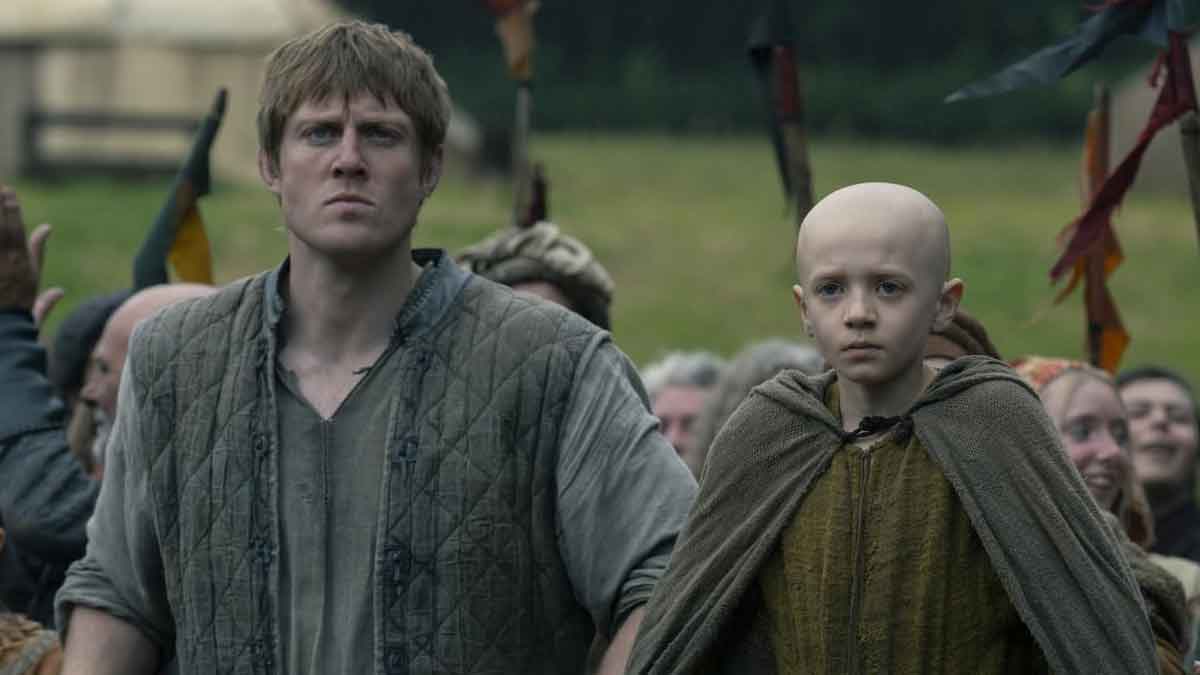
Duncan and Egg in The Knight of the Seven Kingdoms
Baelor dies so Duncan can live. Duncan lives to serve Egg. Egg reigns and provokes Summerhall. Summerhall marks the destiny of the Targaryens. And all of that, in turn, ends up influencing the world we know in Game of Thrones. It’s the domino effect taken to its maximum expression.
Daeron sees no names or dates, only symbols. But he’s right. And that’s what’s disturbing. There is no way to escape fate in Westeros, only to delay it or push it in another direction.
In the end, Knight of the Seven Kingdoms proves that it doesn’t need flying dragons or giant battles to be relevant. All it takes is a nighttime conversation, a poorly explained dream, and a dead dragon that weighs more because of what it represents than because of its size.
Now it’s your turn: do you think the series is paving the way for what’s to come, or is there still some unexpected twist in store? Tell us what you think in the comments and follow us on Google News, because the dragons never sleep here. 🐉📲


