

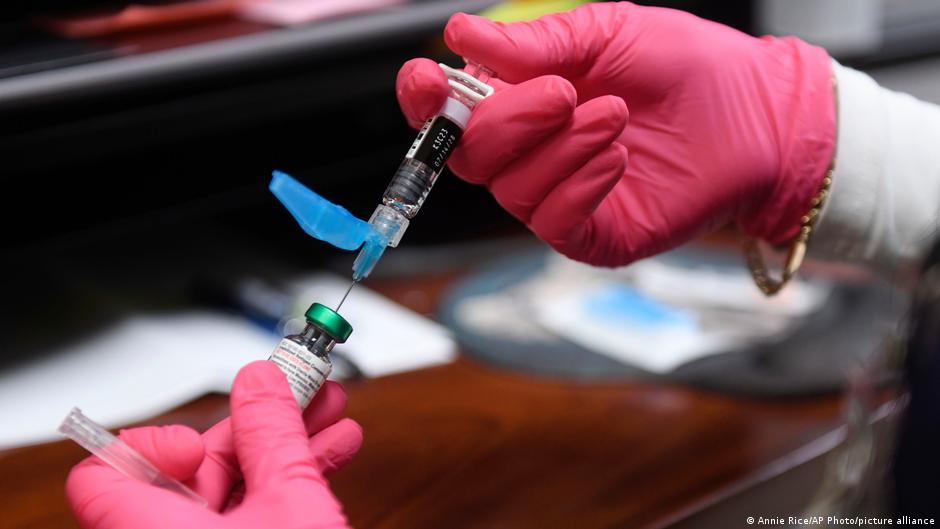
The United States government reformed this Monday (01/05/2026) the federal pediatric vaccine schedule in the United States, which stopped recommending that all children be immunized against six diseases, including influenza.
The change was announced by the country’s Department of Health, led by vaccine skeptic Robert F. Kennedy Jr., and represents a profound modification after years of scientifically supported recommendations.
The Centers for Disease Control and Prevention (CDC) will now recommend that doses against hepatitis A, hepatitis B and meningococcal disease be given only to high-risk people or on medical advice, rather than as standard practice. The agency had already recommended this same model change for covid-19 vaccines. This decision follows President Donald Trump’s directive that health authorities compare the United States’ vaccination schedule with those of other countries.
“After a thorough review of the evidence, we are aligning the US childhood vaccination schedule with international consensus, while strengthening transparency and informed consensus. This decision protects children, respects families and rebuilds trust in public health,” Kennedy said.
Experts disagree
However, experts in medicine and public health already criticize the reform. Sean O’Leary, chair of the Committee on Infectious Diseases of the American Academy of Pediatrics, said that “the childhood vaccination schedule is one of the most researched tools we have to protect children from serious, sometimes fatal diseases,” he said that countries carefully consider vaccine recommendations based on the disease levels of their population and their health systems.
“You can’t just copy and paste public health, and that’s what they seem to be doing here,” O’Leary said. “Literally, the health and lives of children are at stake.”
“Abandoning recommendations on vaccines that prevent influenza, hepatitis and rotavirus, and changing the HPV recommendation without a public process to weigh the risks and benefits, will lead to more preventable hospitalizations and deaths among American children,” said Michael Osterholm of the Vaccine Integrity Project, based at the University of Minnesota.
(mn/afp, ap)

