


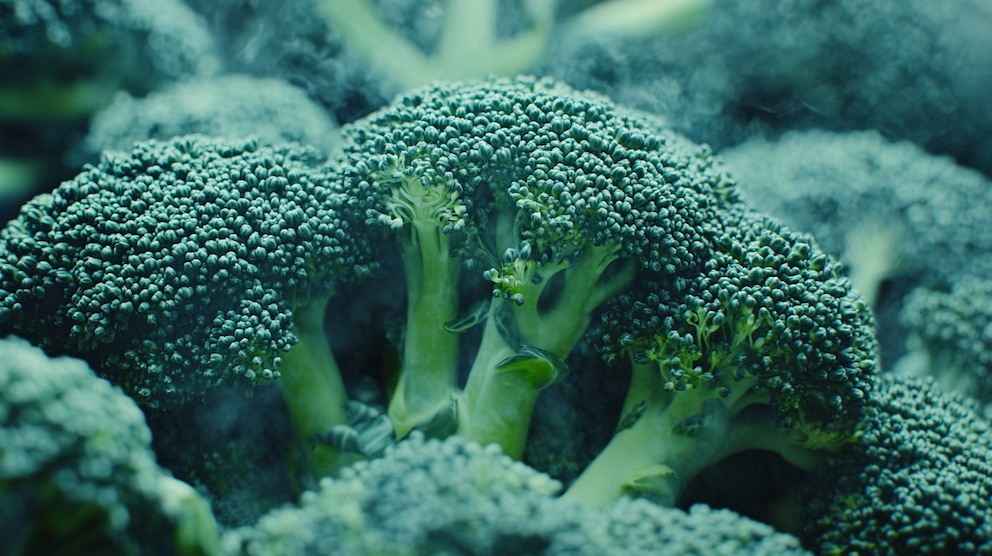
He broccoli has been recognized by the Centers for Disease Control and Prevention (CDC) as the healthiest vegetable in the world. The American organization evaluated 41 fruits and vegetables and gave broccoli a perfect score of 100 for its outstanding nutritional value. In the same classification, the Tomato leads among fruits, although with a considerably lower score: 20.37.
The methodology used by the CDC is based on measuring the density of nutrients present per serving in each food, considering factors such as vitamins, minerals and antioxidants. In this way, broccoli occupies first place among leafy and cruciferous vegetables, supported by the variety and quantity of micronutrients it provides.
In the fruit group, tomato obtained the highest scorealthough it is usually considered a vegetable in cooking; The CDC botanically classifies it as a fruit.

Broccoli stands out for a nutritional profile that offers high levels of vitamin K, vitamin C and vitamin Ain addition to phytochemicals and antioxidants. According to the dietitian Scott Keatleycited in Women’s Healththese nutrients benefit the protection of the immune system, reinforce bone health and facilitate blood clotting.
A cup of broccoli provides up to 106% of the recommended daily vitamin Kessential to keep bones strong and ensure proper coagulation. It also provides the 17% vitamin C and the 6% of the vitamin A needed every day. Furthermore, its energy value is extremely low: one cup contains barely 4 calories. This combination makes broccoli a fundamental ingredient for those looking for a balanced diet rich in micronutrients, according to Keatley.

Broccoli’s high place on the list, according to the CDC, is due to its notable amount of antioxidant compounds and phytochemicals. Keatley explains that these elements are key to protect eye health and reduce cellular damage.
The contribution of vitamin K is essential both for bones and for an optimal coagulation process. Specialists suggest incorporating this vegetable into your diet regularly, although without excesses.
Broccoli also contains fiber, which helps regulate intestinal transit and contributes to a feeling of satiety. In addition, its contribution of folate favors DNA repair and cell growth. It has been studied that the phytochemicals present in broccoli, such as glucosinolates, can help prevent chronic diseases.
To get the most out of broccoli, Keatley recommends consuming a cup for three or four days a week. This vegetable can be added to salads – for example, combined with apple and walnuts -, used as an accompaniment to main dishes or incorporated into soups and sandwiches. Another option is to steam or sauté it to preserve most of its nutrients.
Keatley highlights the importance of alternating the consumption of broccoli with other leafy vegetables such as chard or spinachto maintain a varied and complete diet. This rotation allows for a greater diversity of micronutrients and phytonutrients, essential for general health.
Among those on anticoagulant treatments, Keatley warns of the need for control vitamin K intake. It is essential to maintain regular consumption and avoid sudden variations, since vitamin K can modify the effect of certain medications. Therefore, in the event of possible interactions with pharmacological treatments, professional supervision is always required.

Broccoli, bok choy and chard present unique and complementary nutritional profiles. All three vegetables are recommended and versatile options for a healthy diet. Including any of them allows take advantage of different valuable nutrientspromote cardiovascular health, strengthen the immune system and contribute to general well-being.

