

Stellantis It has been swerving for several years and the truth is that many of the brand’s latest movements have nowhere to go.
First resurrected the V8 Hemi in the RAM 1500then Chrysler and Jeep plug-in hybrids were chargedand even canceled RAM’s electric pick-up before it hit the street. And now he goes one step further and has announced that diesels are returning to the stage.
The company itself made it clear to Reuters after an interview. Diesel engines remain in their catalog and, In some cases, they will even expand the offer. The reason? As they say, Customer demand is still there and it is a good time to recover these customers who have not changed to other engines.is that they have directly left the group really searching for what they want.
Although diesel has been in the doldrums for years since Volkswagen’s Dieselgate and the war of several governments against this fuel, Stellantis has been reintroducing these engines in several European models since the end of 2025 without making much noise. And in 2025 they barely represented 7.7% of new car sales in the Old Continent.
Diesel will be reborn in Stellantis and its brands
Even so, brands like Opel, Peugeot and Citroën are recovering diesel versions in some of their models. And not only that, apparently, they will also continue to manufacture diesel variants of the DS 7 and several Alfa Romeos, such as the Tonale, the Giulia and the Stelvio, because, according to the brand, customers continue to ask for them and there are customers who are always right.
If we stop to think about it, the move makes sense. The demand for electric cars in Europe has not yet taken off despite the million-dollar investments madeand manufacturers are in a kind of limbo without knowing exactly which way to go. Meanwhile, Chinese manufacturers are gaining ground in the electric sector, so Stellantis seems to have decided to play another card, that of betting on diesel to differentiate itself.
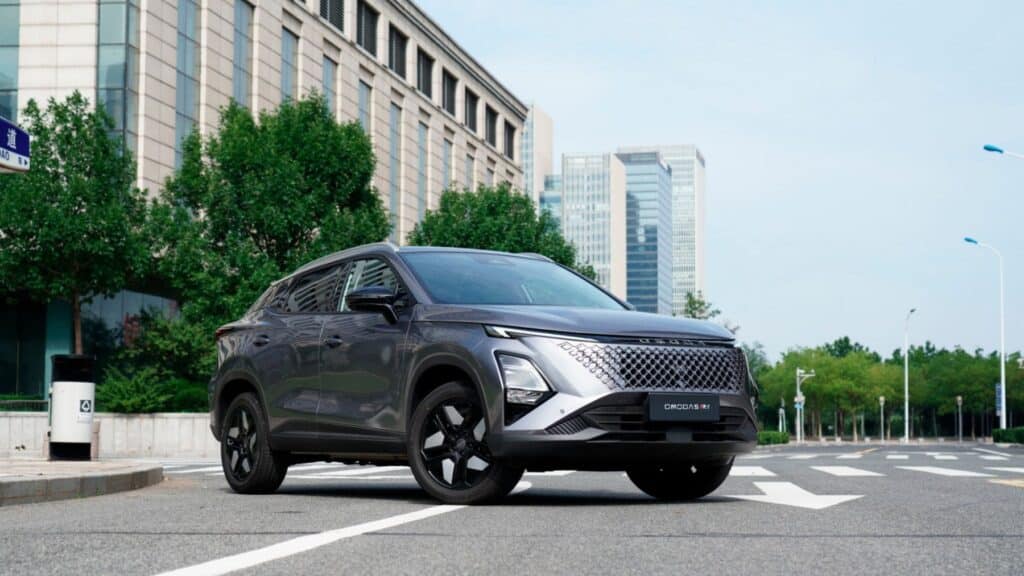
Chinese brands continue to do their thing, listen to what people ask for, adjust prices to the millimeter and continue to gain ground. Of course, they often do it with simpler, less refined and, in some cases, also more expensive mechanics. Faced with this approach, Stellantis seems to be playing another game: instead of entering into that direct war, its movement involves resurrecting diesel and taking advantage of what it already has to offer something different.
In the medium term, everything indicates that the European industry will not be able to stand up to Chinese manufacturers in pure electrification, at least not in price or volume. So the focus could shift to another league: that of increasingly efficient combustion engines, tuned to the maximum to consume less and comply with regulations without skyrocketing costs. In this scenario, thermal energy ceases to be the past and becomes a strategic tool to remain competitive while the electricity market finishes settling down.
How do you see this new change of direction?