


He fatty liver It is an increasingly common condition, characterized by the accumulation of fat in liver cells and, in many cases, by the absence of obvious symptoms. According to specialists from the Cleveland Clinicearly detection and lifestyle changes are key to preventing serious complications.
Approximately 75% of overweight people and 90% of those with severe obesity can develop fatty liver, according to data from the United States National Institute of Health (NIH). The majority of those who have this disease are unaware of their diagnosis, since Symptoms usually appear in advanced stages.
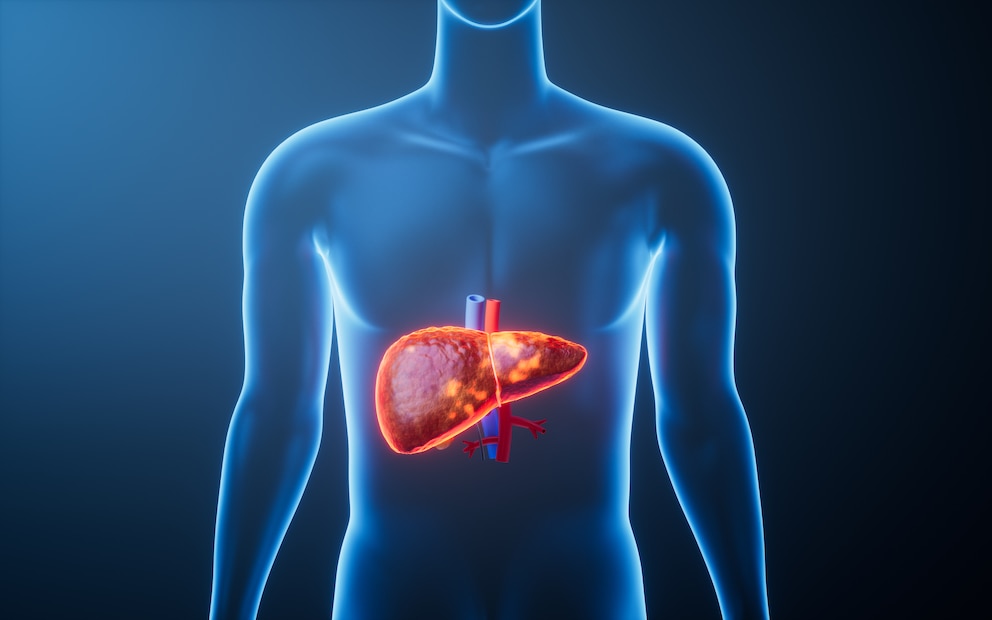
Fatty liver, known medically as hepatic steatosisis a condition in which fat accumulates in liver cells. It can have alcoholic or non-alcoholic origin, the latter being the most common currently, especially linked to obesitythe insulin resistance and the metabolic syndrome.
This is how the lawyer explained it Natalia Antarnutritionist at the British Hospital and the Argentine League to Fight Cancer (LALCEC) in a note to Infobae.
Factors such as excessive alcohol consumption, type 2 diabetes, hypertension, lipid abnormalities and certain medications also increase the risk of developing this disease. The name change to “steatotic liver disease” seeks to better reflect the causal factors and avoid stigmatization, according to the Cleveland Clinic.
In response to Infobae’s query, Marianela Aguirre Ackermann, vice president of the Argentine Nutrition Societypointed out that improving the quality of your diet with plant foods and limiting added sugars and highly processed products is key to liver health. In addition, he highlighted that a moderate weight reduction can reduce accumulated fat in the liver and improve inflammation.

Most cases of fatty liver are asymptomatic. When symptoms do occur, they can be very nonspecific: extreme fatigue, discomfort or fullness in the upper right part of the abdomenweakness and, in advanced stages, nausea, loss of appetite, weight loss, yellowing of the skin or eyes (jaundice), abdominal and leg swelling, and confusion.
“Most people who could be developing cirrhosis don’t even know it”he stated Rohit Loombahead of gastroenterology and hepatology at UC San D hospital in statements to The New York Times. Along the same lines, he pointed out that “there are many people with liver disease, and the most don’t know”.
It is important to know the disease so that people can get tested with their doctors,” said the doctor. Matt Cavehepatologist at the University of Louisville in the NIH.

Detection is usually done by blood test that reveal elevated liver enzyme levelsimaging studies such as ultrasound or tomography computerized, and, in specific cases, biopsy.
The disease can progress to more serious stages: hepatitis, fibrosis, cirrhosis, liver failure and liver cancer.
“In most people, fatty liver disease does not cause symptoms. In more advanced cases, abdominal pain or fullness, nausea, loss of appetite and weight, weakness, jaundice, bloating and extreme fatigue are sometimes observed,” detailed experts from the Cleveland Clinic.

The treatment of fatty liver is based on changes in lifestyle and, especially, in diet. There are some foods that, according to specialists, should be avoided to prevent the progression of the disease:
- Ultra-processed foods: A high consumption of fast food and industrialized products is associated with a greater risk of fatty liver, especially in people with type 2 diabetes or obesity.
- Saturated and trans fats: “Sausages, cold cuts, industrial bakery products and fast foods promote inflammation and liver dysfunction,” he pointed out. Antar.
- Simple sugars and fructose: Present in soft drinks, sports drinks, sweetened tea, juices and snacks. High fructose corn syrup is especially harmful. From the Harvard University They recommended “reading labels carefully for added sugars, such as corn syrup, dextrose, honey, and agave.”
- Alcohol: “Even in small quantities it can aggravate liver disease, although nonalcoholic fatty liver does not originate from its consumption,” he warned. Antar. According to the Harvard University“it is simply not known how much alcohol is safe for those with fatty liver disease; even social drinking may be excessive.”
- Refined flours and excess simple carbohydrates: “White breads, cookies, and non-whole-grain pastas raise blood glucose and insulin, favoring the accumulation of fat in the liver,” explained the nutritionist.
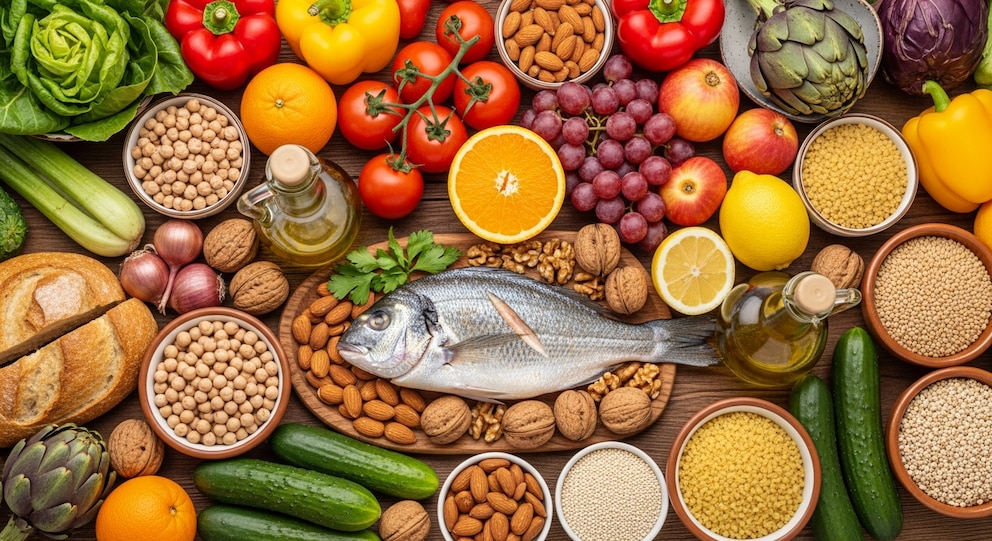
Diet is a fundamental pillar in the treatment of fatty liver associated with metabolic dysfunction.
“Improving the quality of your diet, prioritizing vegetables, fruits, legumes, whole grains, fish, olive oil and reducing added sugars, sugary drinks and highly processed products, is key to liver health,” he highlighted. Aguirre Ackermann consulted by Infobae.
Scientific evidence supports the Mediterranean diet and the consumption of fresh and natural foods as a preventive and therapeutic measure. It is recommended to prioritize:
- Vegetables, whole fruits, legumes and whole grains
- Nuts and seeds
- Extra virgin olive oil as the main source of fat
- fatty fish (salmon, sardines, mackerel) rich in omega 3
- Reduction of red meat, ultra-processed products and added sugars
“The most effective treatment against fatty liver is a change in lifestyle”they maintain from the United States National Institute of Health (NIH). “The evidence strongly supports a Mediterranean-style plan, adapted to the local culture,” said the lawyer. Antar.
When overweight or obese is present, even a moderate weight reduction (around 5–10%) can reduce the fat accumulated in the liver and improve liver inflammation,” added Aguirre Ackermann.

The inclusion of certain foods and drinks can be part of a healthy diet for fatty liver:
- Egg: Can be consumed daily. “The myth that eggs damage the liver comes from past decades and has no current support. Eggs are rich in choline, an essential nutrient for liver fat metabolism and may even have a protective role,” he stated. Antar.
- Coffee: “Regular consumption of 2 cups a day is associated with less liver fibrosis and less progression of liver damage in people with fatty liver,” said the nutritionist.
- Green tea and mate: Its polyphenols have antioxidant and hepatoprotective effects. Mate, without sugar and in moderate quantities, is not contraindicated unless there are digestive or sleep problems.

In addition to food, Current treatments that achieve weight loss can also improve hepatic steatosis. “This includes drugs for the treatment of obesity and bariatric surgery. In recent clinical trials, such as the ESSENCE study with semaglutide, resolution of steatohepatitis without worsening of fibrosis was observed in approximately 63% of treated patients, compared to approximately 34% with placebo,” Aguirre Ackermann explained.
“In the case of bariatric surgery, different studies showed that sustained weight loss can produce significant improvement in liver fat and even resolution of steatohepatitis in a high proportion of patients, reflecting the strong link between obesity, metabolism and liver health,” said the expert.
“In that sense, Today, fatty liver is understood within the comprehensive approach to metabolic disease.where nutrition is central, but other therapeutic tools can be added when indicated,” concluded the nutritionist.

Specialists agree that maintain a healthy weight, engage in regular physical activity and manage associated conditions such as type 2 diabetes They are essential measures to prevent and treat fatty liver. In addition, periodic consultation with a health professional is recommended if you have any symptoms or questions.
“Consider steatotic liver disease as a warning sign that can help you take steps to avoid a deadly liver condition such as cirrhosis or liver cancer,” they concluded from the Cleveland Clinic.

