


Toyota showed the most accessible version of the new Hilux: single cabin, utilitarian profile and improvements in design, technology and ride comfort.
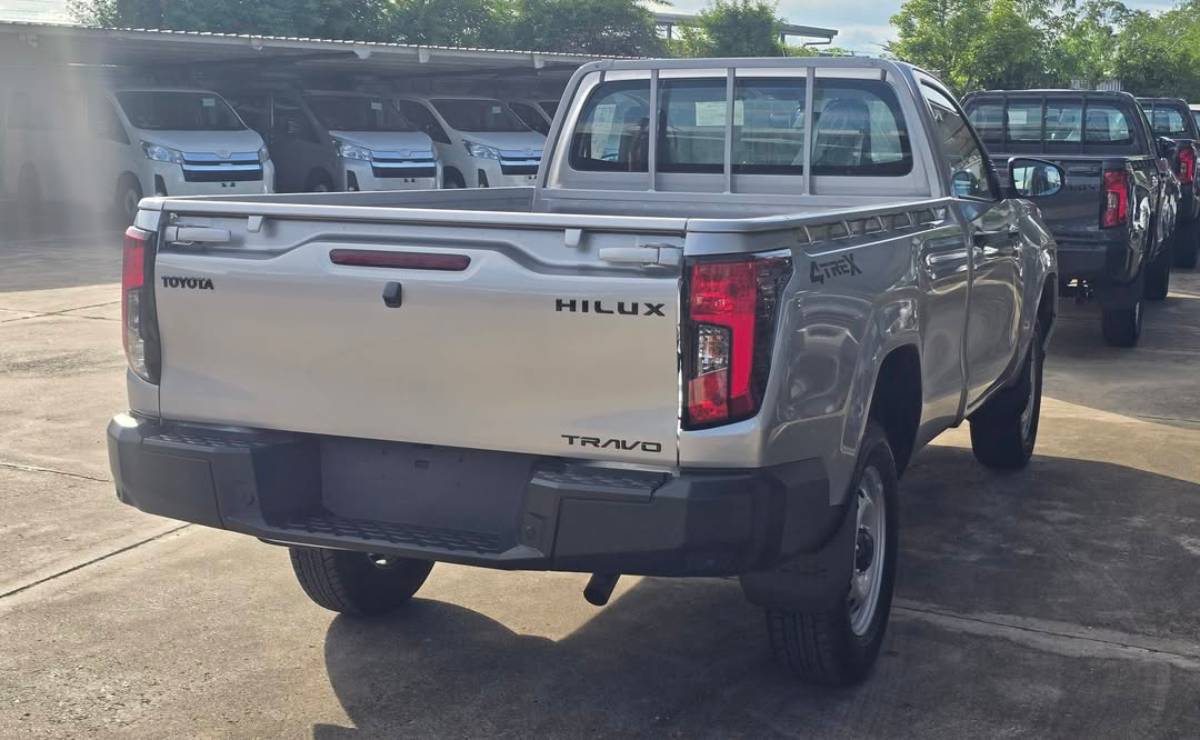
The new Toyota Hilux has already begun to show its different versions and one of the most important is, precisely, the most accessible of the entire range. While the top-of-the-line variants usually stand out for luxury, technology and equipment, the base configuration allows us to understand how the best-selling pickup truck really evolves from a work and rational perspective.
It is a hilux single cab, developed mainly for heavy duty, fleets and users who prioritize reliability, load capacity and durability over comfort. Even so, it incorporates many of the new features introduced in this update, including a renewed design, technical improvements and changes to the interior.
You may be interested in:
New electric Toyota Hilux: this is the pickup with 275 HP and up to 380 km of autonomy
›
Although it does not represent a completely new generation, toyota made a deep update on the current platform. The strategy aims to maintain a base that is widely tested and recognized by the market, but with sufficient improvements to keep the pickup current in the face of increasingly modern competition.
A Hilux designed to work
The new base hilux Make it very clear what your objective is. It does not try to stand out for its giant screens, chrome details or premium equipment, but rather for remaining a robust and functional work tool. The single cab configuration mainly aims at:
- Companies.
- Rural producers.
- Commercial fleets.
- Users who need maximum operational capacity.
In this type of versions, aspects such as the engine, chassis, maintenance and resistance continue to have more weight than comfort or advanced technology. Therefore, this variant is key to understanding the true scope of the Hilux renewal: toyota continues to bet on a utilitarian pickup, even in a market where more and more trucks seek to look like luxury SUVs.
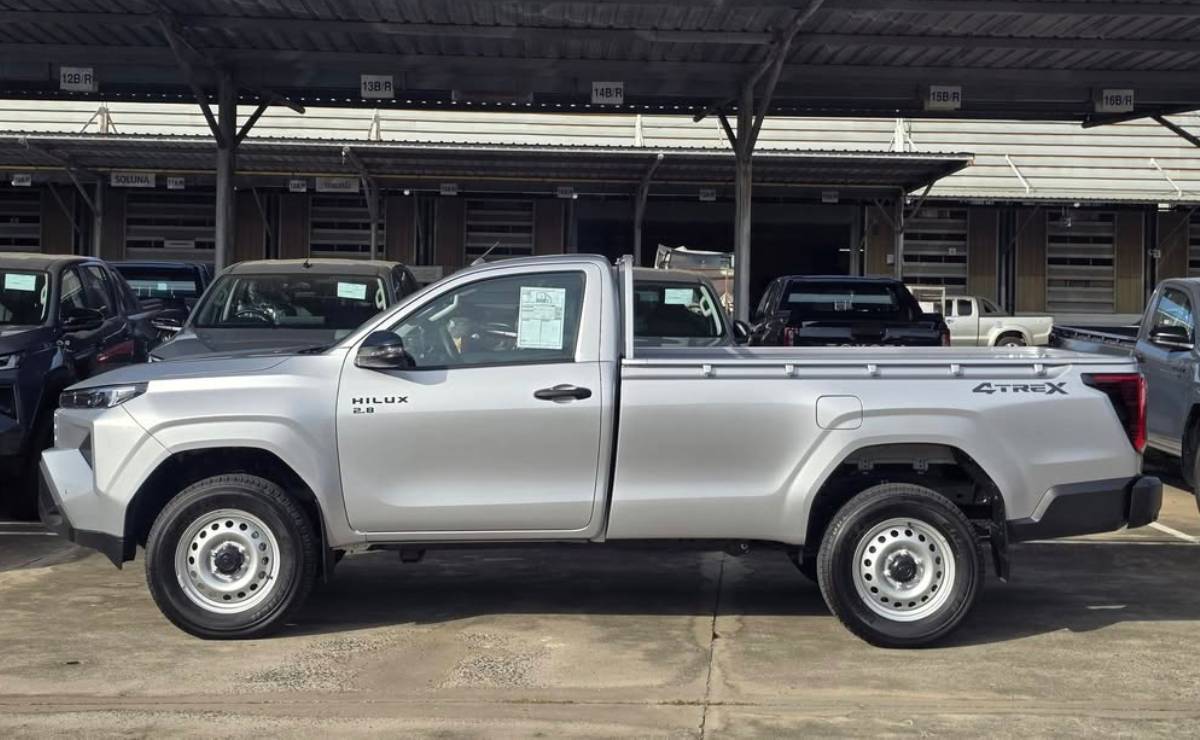
On the outside, the hilux cheaper adopts the new visual language of the range, although with a much more sober presentation. The horn incorporates:
- New front grill.
- Updated design.
- Logo with capital letters.
- New visual identity.
However, since it is the base version, it dispenses with several elements present in the higher variants:
- It does not have alloy wheels.
- It does not incorporate chrome details.
- Maintains more conventional lighting.
- The overall aesthetic is more functional.
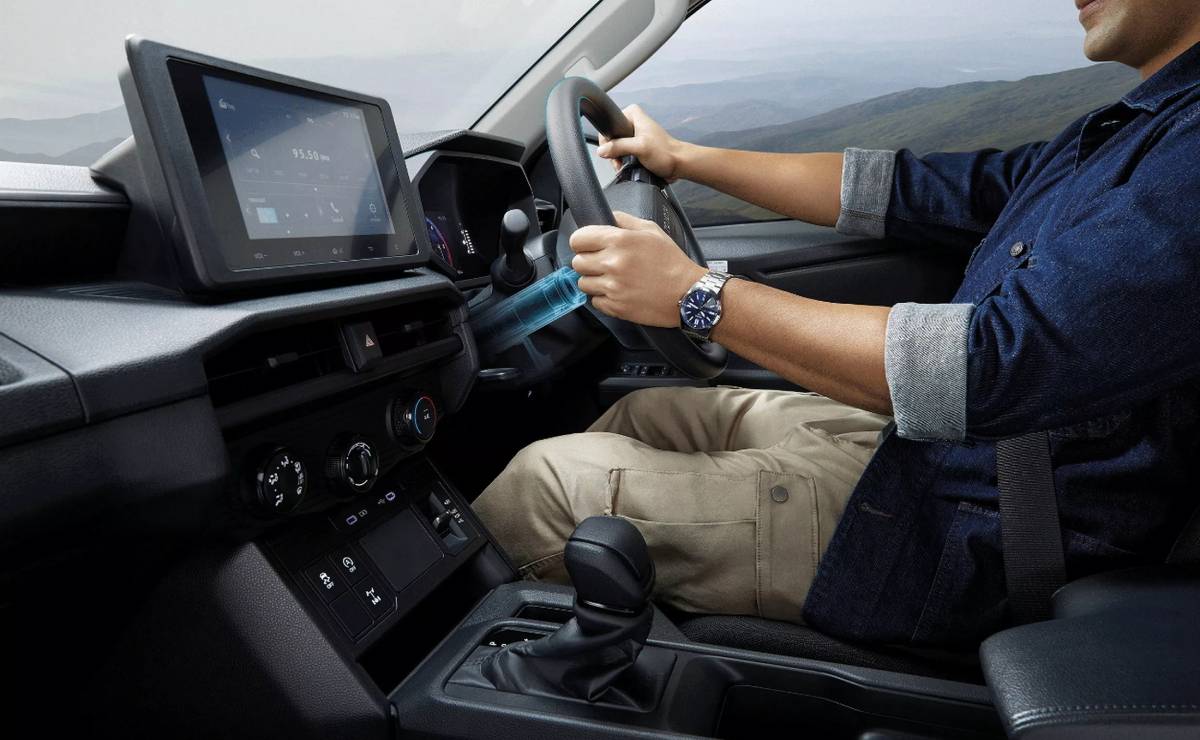
Still, the redesign allows even the work version to have a more modern and updated appearance compared to the previous generation. Behind the scenes, important changes also appear. The new base Hilux It retains the general redesign of the dashboard, although with simpler finishes to keep the cost contained. Among the main elements are:
- Fabric upholstery.
- Manual air conditioning.
- Smaller multimedia screen.
- Fewer steering wheel controls.
- More practical and resistant design.
However, even this variant incorporates connectivity with Android Auto and Apple CarPlay, something increasingly important for users who use the pick up daily as a work tool. Toyota’s idea is to offer a more modern and comfortable cabin than before, but without losing the utilitarian approach that characterizes these versions.
One of the most important points of the new Hilux continues to be the mechanics. Toyota decided to maintain the well-known 204 HP 2.8 turbodiesel engine, a widely proven engine within the family of the leading mid-size truck. The figures change depending on the transmission:
- Automatic versions: 500 Nm of torque.
- Manual versions: 420 Nm.
In both cases, the box is six speeds. This continuity can be interpreted as a logical decision. Toyota is committed to reliable, robust mechanics that are widely accepted by users in the segment.
More technology and technical improvements
Although the focus remains on work, the new Hilux incorporates important improvements in behavior and efficiency. Among the main new features are:
- Electric steering.
- Suspension adjustments.
- Driving comfort improvements.
- 48 volt mild hybrid versions.
The latter add an extra 11 HP and 65 Nm of electric assistance. The objective is to improve consumption, reduce emissions and offer a more refined driving experience, especially in the city and on daily trips.
The new base hilux It maintains one of the characteristics that always defined the model: its enormous work capacity. The main figures continue to be 1000 kg for the carrying capacity and 3500 for the towing capacity.
In addition, improvements in steering and suspension seek to facilitate maneuvers and increase comfort, even when the truck is used intensively. This way, toyota It tries to maintain the balance between traditional robustness and modernization, something key to maintaining leadership within the medium-sized pickup segment.
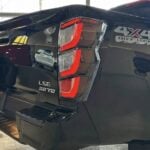
You may be interested in:
Isuzu D-Max, the Japanese pickup that returns to surpass Toyota Hilux: what changes does it bring?
›

