


He liver It is one of the most active organs in the body: it processes nutrients, regulates blood sugarmetabolizes fats, eliminates toxins from the blood, produces bile for digestion and provides energy to the organism. Diet is one of the most determining factors for your health, because eating habits can have a positive or negative impact on it, according to specialists cited by the magazine Parade.
According to research cited by the media, between 32% and 42% of adults in the United States have steatotic liver disease associated with metabolic dysfunction (MASLD), formerly called breast cancer disease nonalcoholic fatty liver. Eating patterns are one of the most determining factors in reducing this risk.
Susan Kaishepatologist and associate professor of clinical medicine at the University of Cincinnatistated: “Diet has an unprecedented impact on liver health, possibly greater than most people really recognize. What you eat can reduce stress on the liver or contribute to its deterioration through damage accumulated over time.”

Regarding what they would remove from their diet first to protect the liver, both Kais and Jasmohan Bajaj, teacher of Stravitz-Sanyal Institute for Liver Disease and Metabolic Health Virginia Commonwealth University, They gave the same answer: alcohol.
“It can aggravate any underlying liver problems in a cumulative manner. Even moderate consumption can be harmful, especially for those who may not know that they have liver problems,” said the hepatologist.
A study published in the scientific journal Gutfound that consuming 30 g of alcohol per dayan amount equivalent to about two standard drinks, increases the risk of cirrhosis. Another investigation, published in the journal Frontiers in Medicine and based on more than 53,000 people, determined that Even just one alcoholic drink a day raised liver disease risk.
Bajaj, who is also a gastroenterologist at Veterans Affairs Health Care Systemwarned about the drinks with high sugar content added and high fructose corn syrup, like soft drinks. According to the magazine, scientific evidence links regular soda consumption with a significant increase in the risk of MASLD.

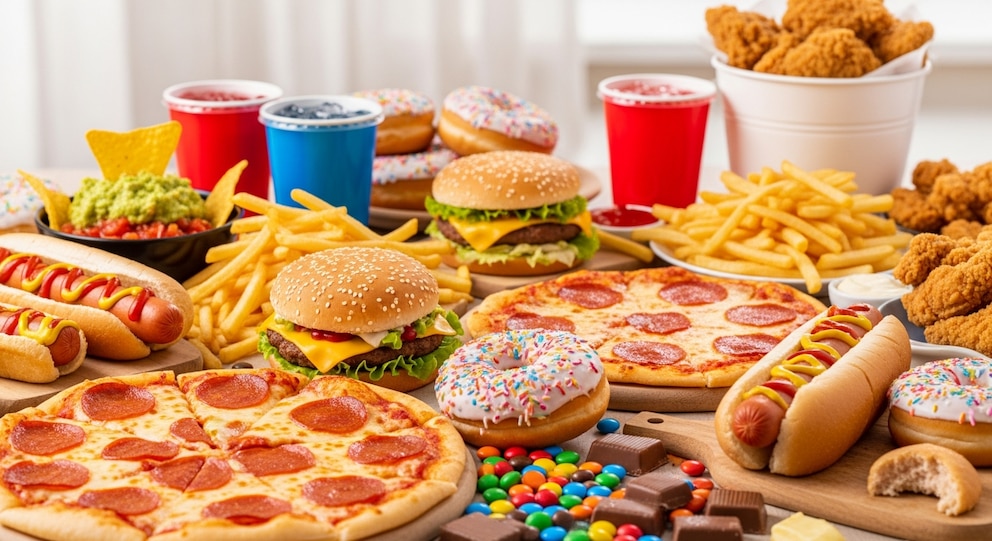
Kais also suggested that many people know the harm of excess alcohol, but do not identify as clearly Other harmful dietary factors: sugary drinks, sweets, desserts, white bread, highly processed grains, frequent fast food and excess calories from any source.
According to their explanation, dietary patterns rich in saturated fat, trans fats and ultra-processed they favor the inflammationcan worsen liver disease and contribute to organ healing. He added that a poor diet can increase insulin resistancewhich leads the liver to produce and store more fat.
If the question is limited to food, the specialist pointed out that the first thing she would eliminate would be fast food. He explained that these chains are everywhere and become an easy option when the daily pace accelerates, but that they usually contain large amounts of unhealthy fats, sugars and preservatives.
“I have seen firsthand how these foods can negatively affect liver health,” he said. In addition, he warned that its regular consumption can contribute to fatty liver disease and other health problems.
For those looking for a specific eating pattern, Kais recommended following the Mediterranean diet. This pattern reduces the consumption of ultra-processed foods, refined carbohydrates, foods high in added sugar and saturated fats and, instead, prioritizes whole foods rich in nutrients, especially plant origin, and sources of unsaturated fats such as seafood, nuts and extra virgin olive oil, the specialist explained.
Bajaj added that consuming regularly fiber rich foods It is especially beneficial for liver health.
As an alternative to fast food, the specialist opted for Nutrient-rich plant foods and herbs such as garlic and turmeric. Regarding those ingredients, he stated: “Not only do they taste good, but they also provide essential nutrients and compounds that promote detoxification and regeneration of the liver.”
The general criterion that runs through all the recommendations is simple: the less processed the foods on your plate are, the more likely they are to support liver health. The magazine summarized that cutting out fast food, soft drinks and alcohol can broadly help protect the liver.

