


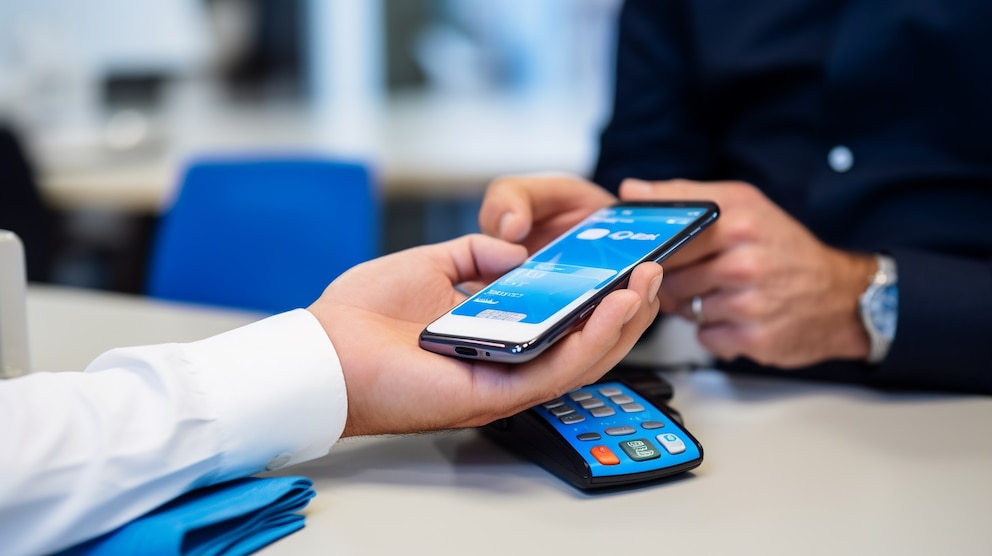
The alert about a new scam called “ghost tapping” has caused concern among users of payments without contact throughout States Joined. As reported Newsweekthis scheme takes advantage of card technology and devices smart to perform unauthorized paymentsmany times without the affected person noticing the maneuver at the time.
The Good Business Practices Bureau (BBB)a reference body in consumer protection, informed Newsweek that the cases of “ghost tapping” They have been registered in different states of the country. Criminals use wireless devices to withdraw funds from other people’s accounts by simply approaching a card or phone with a tap-to-pay system enabled, without the need for direct physical contact.
“The phenomenon of ghost tapping “affects millions of American consumers who use contactless payment routines for their speed and hygiene benefits, but who now face unforeseen risks,” he warned. Newsweek citing recent records of the BBB. As explained by the organization, the scam occurs mainly in crowded spaces, such as mass events, markets or public transport, increasing the possibility of victims.

He BBB shared with Newsweek Several specific reports in which criminals use portable NFC reading devices, capable of processing charges by positioning themselves a few centimeters from the victim’s card or phone, even passing through certain wallets and bags.
On some occasions, scammers present themselves as supposed sellers or collectors, requesting payments only through the tap-to-pay function, thereby adding charges for amounts between $537 and $1,100 without the consent of the owner.
Michelle L. Coreypresident and CEO of St. Louis BBBdescribed KY3 News: “You can help prevent ghost tapping by using caution when using your card in crowded spaces or shopping with strangers, but anyone can be caught by this scam. The best protection is to check your bank accounts regularly and contact the bank as soon as you notice any suspicious activity.”

Among the documented events, a Missouri resident lost $100 when an individual asked him to bring his card to a reader, he said. KY3 News. The sums are often discreet to circumvent the banks’ automatic alerts, since criminals usually choose to debit smaller and repeated amounts.
The methods of ghost tapping They include the installation of fake kiosks, home visits posing as legitimate organizations and the use of mobile NFC terminals.
He BBB emphasized to Newsweek These tactics seek to prevent the victim from being able to correctly review the name of the business or the amount invoiced before completing the transaction.
Besides, Bryan Oglesbyspokesperson for Better Business Bureau of West Floridahe pointed out in statements to FOX 13 Tampa Bay: “they can use mobile phones or special readers… False sellers could demand payment with tap-to-pay and thus charge more than what was agreed.”

To reduce the risk of falling into this modality, the BBB and Newsweek recommend the use of RFID protectors on cards and wallets. They also advise verifying the name of the merchant and the amount to be paid before completing any tap-to-pay operation, activating immediate notifications of bank transactions and preferring traditional methods such as chip or magnetic stripe in environments with greater exposure.
Upon suspicion of being a victim of ghost tappingthe agencies urge you to immediately contact the bank or card issuer to block the account and report the case on the platform. BBB Scam Tracker.
The Good Business Practices Office anticipated Newsweek that will continue to monitor these events and disseminate new safety guidelines. Specialists recommend maximum attention during the shopping season and crowded events, where these crimes tend to increase.

