


Salmon has long enjoyed a privileged reputation in the nutritional imagination. It is considered the star among foods rich in omega-3, a type of polyunsaturated fatty acid also known as “good fat,” responsible for multiple benefits for health.
According to experts consulted by EatingWellsalmon not only offers high levels of these essential lipids, but also a notable protein and vitamin profile. However, despite the popularity of this fish, recent research and the opinion of nutrition experts affirm that there are several even more powerful—and versatile—alternatives to meet daily omega-3 needs.
Omega-3 fatty acids play a fundamental role in the body. According to Maddie Pasquariellonutritionist and founder of Nutrition With Maddieand Samantha Petersonnutritionist and director of Simply Wellnessits impact ranges from brain function, thyroid and liver health, to influencing mood, hormonal regulation and inflammation control.
The recognition of its importance has encouraged the search for sources of omega-3 that diversify the diet and make it more accessible and varied.

According to the National Institute of Health (NIH)the key to understanding alternatives to salmon lies in the composition of omega-3s. There are three main types: alpha-linolenic acid (ALA), of plant origin; and eicosapentaenoic acids (EPA) and docosahexaenoic acids (DHA), present mainly in fish and some shellfish.
Experts agree that the EPA and DHA are more active and directly used by the human body. However, the body can convert ALA into these more potent forms, although the process is usually inefficient.
For this reason, knowing the sources of each type and how to facilitate their use is essential for those who want to obtain all the benefits of omega-3, especially if their diet is mostly plant-based.
Faced with the limitations of natural conversion of ALA into EPA and DHA, expert recommendations offer simple tools to maximize its bioavailability. Combining ALA-rich plant foods with anti-inflammatory spices, such as turmeric, can improve conversion.
Likewise, consuming foods rich in zinc and vitamin B6, such as pumpkin seeds, chickpeas and spinach, supports the enzymes necessary to transform plant omega-3 into active forms.
According to Mayo Clinicother recommendations include accompany ALA sources with healthy fats —olive or avocado oil—as this favors its absorption. Finally, it is advisable to moderate the intake of processed vegetable oils rich in omega-6 (such as soy or corn), as they compete in the body for the same enzymes and can reduce the efficiency of omega-3 conversion.
According to the Harvard School of Public Health, there are some foods that are rated as richest food sources of omega-3. And although a standard 85-gram serving of salmon provides approximately 1.8 grams of omega-3 in the form of EPA and DHA, there are food options that exceed that content. It is worth mentioning that many of these foods mainly provide the vegetable variant (ALA)

With 2.6 grams of omega-3 per 100-gram serving, mackerel not only exceeds salmon in content, but also provides proteins, calcium and iron.
It can be incorporated into the diet in various ways: grilled, on toast, crumbled with avocado and lemon or added to scrambled eggs.

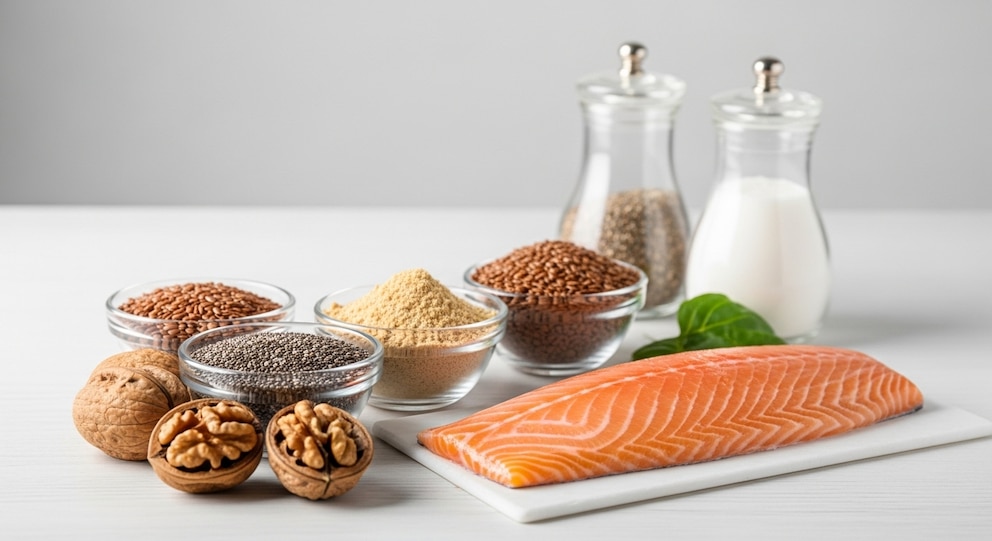
Protagonists of plant nutrition, they contain 5 grams of ALA in just 28 grams. In addition to their high contribution, they are a source of fiber, calcium and antioxidants. They are ideal for smoothies, puddings, mixed in yogurt or oatmeal, and even in salad dressings.
“Chia seeds are tiny, but powerfulsays Peterson. “They’re also packed with fiber, calcium, and antioxidants, making them great for gut health and blood sugar balance,” he adds.

Every two tablespoons (about 28 grams) add up to 3.6 grams of ALA. Its consumption is recommended in ground form to ensure its digestibility.
They work well in preparations such as oatmeal, mixed in cottage cheese or in baked goods.

Three tablespoons provide a total of 2.6 grams of ALA, along with protein and vitamins such as A, D and E.
It is a versatile food in smoothies, on toast or even to bread meats or vegetarian preparations.

A 28-gram serving provides 2.5 grams of omega-3 in the form of ALA, as well as magnesium and antioxidant compounds. The walnuts They can be included in nut mixes, yogurt, as well as in savory dishes, salads or sauces.
According to Maddie Pasquariello and Samantha Petersonthe integration of these sources of omega-3 is simple and adaptable. They suggest alternating the consumption of oily fish such as mackerel with seeds and nuts to achieve a balanced diet.
For those looking for new flavors and benefits, experimentation can range from fortified smoothies to creative breakfasts and even improved versions of traditional sauces and pestos.
In addition, both experts warn about the need to gradually increase the consumption of foods rich in fiber, such as chia seeds, to avoid digestive discomfort. In the case of flax seeds, the ground version is recommended for its better use. These changes allow us not only to enhance health, but also to discover innovative ways to enjoy nutrient-dense foods.

