

The spread of the BA.3.2 variant of COVID-19, nicknamed “Cicada”, occurs against a backdrop of Budget cuts that affect epidemiological surveillance for wastewater in the United Statesaccording to official data and recent institutional reports. This situation influences the response capacity of health authorities and affects the population of at least 25 states, in which the presence of the virus has been detected in monitoring systems, while specialists warn about the risks of reducing the infrastructure for the early detection of outbreaks.
According to information from the National Wastewater Surveillance System (NWSS) of the Centers for Disease Control and Prevention (CDC)the identification of the BA.3.2 variant in wastewater samples from states such as California, New York, Texas and Florida was possible thanks to the national surveillance network implemented since 2020. The budget cut, which reduces funding from approximately $125 million to $25 million, is part of the plan presented by President Donald Trump. This budget adjustment has generated concern in scientific societies and public health experts, as confirmed Newsweek and other institutional sources, including official statements from the CDC and letters sent to Congress by the American Society for Microbiology.
The wastewater monitoring system emerged with the onset of the COVID-19 pandemic under the CARES Act, with the goal of anticipating the circulation of respiratory pathogens before clinical confirmation. This technology has allowed health services to react to variants like “Cicada”, in a scenario where surveillance faces budgetary and coverage challenges, according to reports from the NWSS and the academic platform WastewaterSCAN.
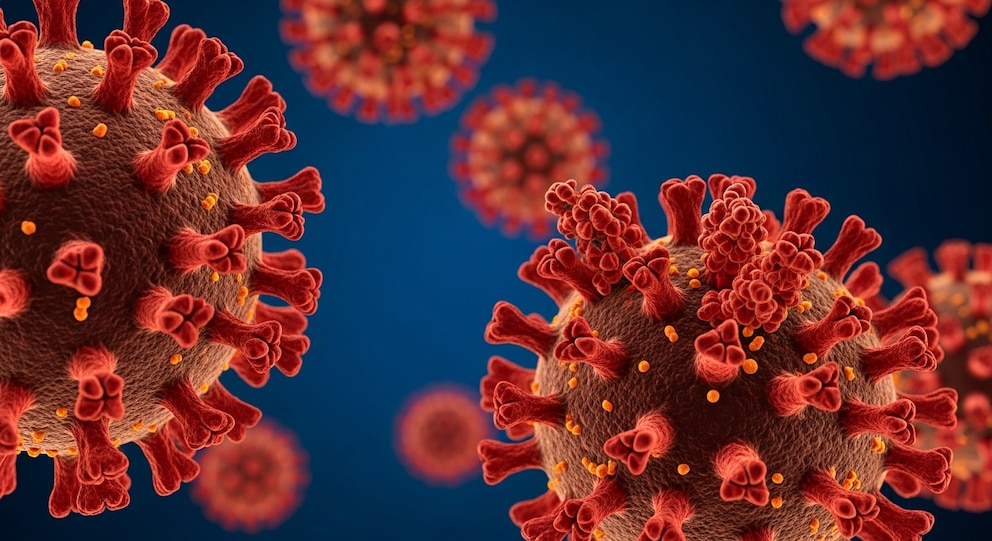
The variant BA.3.2called “Cicada”, corresponds to a sublineage of Omicron characterized by a high number of mutations. According to the site Ground News and the official data of the CDC, Cicada It has been found in wastewater samples from at least 25 states in the United States and in 23 countries. The nickname refers to its initial appearance in 2024, subsequent disappearance, and recent reappearance.
Variant tracking is primarily done through the system NWSS and university projects such as WastewaterSCANdirected by the Stanford University and the Emory University. The data show that, although the national concentration of SARS-CoV-2 in wastewater remains low, the presence of BA.3.2 is continuously monitored in affected jurisdictions. This surveillance has allowed authorities to identify the spread before clinical diagnoses increase.

The symptoms associated with BA.3.2 “Cicada” they do not differ substantially from those of other COVID-19 variants. According to the CDC and the National Foundation for Infectious Diseasesinfected people may experience cough, fever, sore throat, congestion, difficulty breathing, and loss of smell or taste. There is no data to indicate that the variant causes more severe symptoms, although it has been observed that it can partially evade the immunity generated by previous infections or vaccines.
The teacher Mark Johnson of the University of Missouri School of Medicine explained that “the variant has a high mutation capacity, so it could become dominant if it develops greater transmission capacity.” For his part, the doctor Robert H. Hopkins Jr. confirmed that “there is no evidence that Cicada is more severe than other variants,” according to statements collected by Ground News.
The budget of National Wastewater Surveillance System (NWSS) faces a substantial cut, going from about 125 million dollars a year to 25 million, according to the budget proposal of the Donald Trump administration. This adjustment was documented in official letters from the American Society for Microbiology and in institutional reports published by the CDC.
The cut means many monitoring sites will no longer receive funding, which could limit surveillance to just a few states and restrict tracing to seasonal epidemic pathogens, such as influenza, RSV and COVID-19, according to the chair of the Department of Public Health. Syracuse University, Dave Larsen. The American Society for Microbiology warned in a letter to the Senate that “without additional funding, the agency will not be able to sustain the national surveillance program beyond September 30, 2026.”

Decreased funding impacts the system’s ability to detect infectious disease outbreaks before they are clinically confirmed. The program NWSSwhich has been operating since 2020, makes it possible to anticipate viral circulation trends and plan health responses. The CDC detail that “wastewater surveillance made it possible to detect measles infections weeks before their clinical confirmation, facilitating an early response.” In addition, the data generated helps identify risk areas and optimize the use of resources.
According to Newsweekexperts like the teacher Rachel Nobleof the University of North Carolina at Chapel Hillmaintain that “the cost of treating individuals during an outbreak is much greater than that of preventive wastewater surveillance.” The teacher Andrew Pekoszof the Johns Hopkins Universitystressed that “wastewater surveillance is efficient because it allows thousands of people to be sampled with few samples.”
The program NWSS monitors more than 1,000 sites across the United States, collecting and testing samples for the presence of respiratory viruses, including COVID-19, influenza, RSV, and measles, among others. The technology makes it possible to measure the concentration of viral genetic material in wastewater, which provides an early estimate of viral circulation in the community.
According to the CDCsystem data is updated monthly and published through platforms such as WastewaterSCAN and Biobot Analyticswho collaborate with academic centers and local authorities. Monitoring has been supported by federal funds allocated through the CARES Act and by health cooperative agreements.

The American Society for Microbiology and the collective The People’s CDC They have urged Congress to restore full funding to the system, pointing out that the loss of national surveillance would jeopardize the ability to respond to new health threats. As of June 3, 2026, more than 2,880 letters have been sent by citizens to legislators through the site Action Networkrequesting that coverage be maintained and the reduction of epidemiological infrastructure be avoided.
In statements collected by Newsweekthe teacher Amy Pruden-Bagchiof the Virginia Tech Universitystated that “such a drastic cut undermines investments made since the pandemic and could be more costly in the long term.” The teacher Larsen He added that “surveillance allows us to respond to outbreaks of emerging diseases such as hantavirus, Ebola or polio, and losing it would limit the national response.”
In the current scenario, surveillance of variants such as BA.3.2 “Cicada” It remains active in jurisdictions where viral circulation has been detected. According to the analysis published in The Sick TimesSARS-CoV-2 levels in wastewater remain low nationwide, although the situation is dynamic and requires constant monitoring.
The future of the surveillance system will depend on legislative decisions and the institutional commitment to ensure financing. Health authorities and scientific associations continue to emphasize the need to maintain and strengthen epidemiological monitoring to anticipate and control outbreaks of infectious diseases. Meanwhile, the population and health professionals will have to adapt to possible changes in coverage and data availability.

