


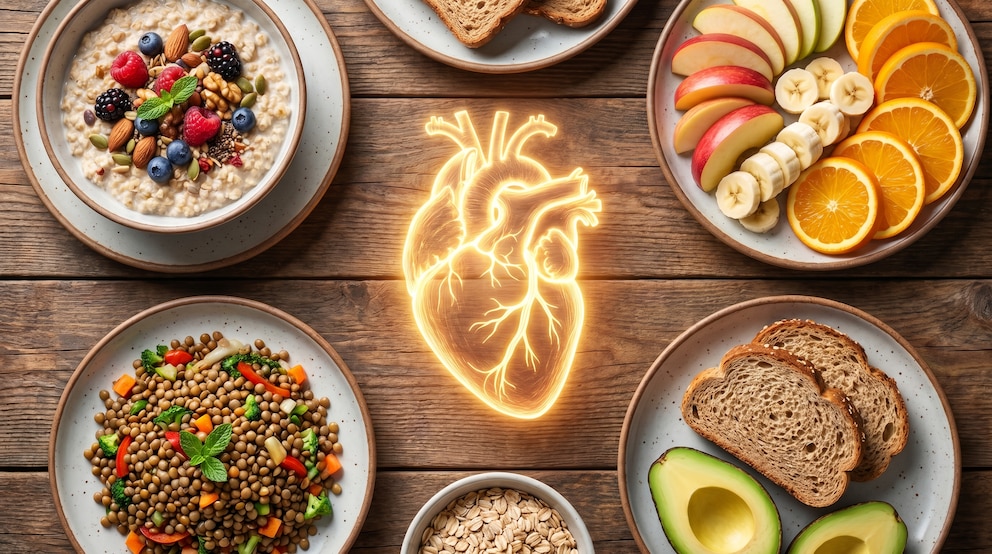
Although it is associated with carbohydrates with unhealthy foods, some options anti-inflammatory recommended by experts can help reduce inflammation linked to chronic diseases, according to Eating Well. Consume the appropriate types, such as whole grains and fiber-rich vegetablesprovides antioxidants and other protective nutrients that promote a healthier diet.
Specialists identified five carbohydrates linked to this effect, in accordance with Eating Well. They stood out for their contribution of dietary fiber, antioxidants and micronutrients, with an impact on intestinal health, disease prevention and maintenance of a healthy weight.
Inflammation is a necessary process: it helps fight infections and repair tissues. When it becomes chronic, it is associated with more than half of global deaths and favors the development of diabetes, heart disease, hypertension, cancer or arthritis, he explained. Eating Well. In this context, a diet rich in anti-inflammatory carbohydrates was considered one of the most effective strategies to reduce these risks.
Although the belief that carbohydrates are harmful persists, scientific evidence distinguished between types and effects on the body.
Refined carbohydrates, present in products such as white bread, pastries and cookies, were associated with greater inflammation. In contrast, whole grains and starchy vegetables, such as purple potatoes, offered protective properties capable of counteracting inflammatory processes, according to Eating Well.

He buckwheat It stood out among ancient grains for its richness in fiber and antioxidants. Wendy Petersona nutritionist living in Germany, pointed out that in Europe the consumption of breads made with these grains was common, which provided more fiber than traditional wheat.
100 grams of buckwheat flour contained more than 10 grams of fibertripling the amount present in common wheat flour. It also provided antioxidants such as routine and the quercetinlinked to an anti-inflammatory effect. Regular intake of these compounds helped protect against free radicals and was associated with a lower incidence of conditions such as hypertension and diabetes.
Peterson recommended starting by replacing half of the wheat flour with buckwheat in preparations such as pancakes, waffles, cookies or omelettes. He also suggested trying cooked buckwheat grains for breakfast, in the form of porridge.
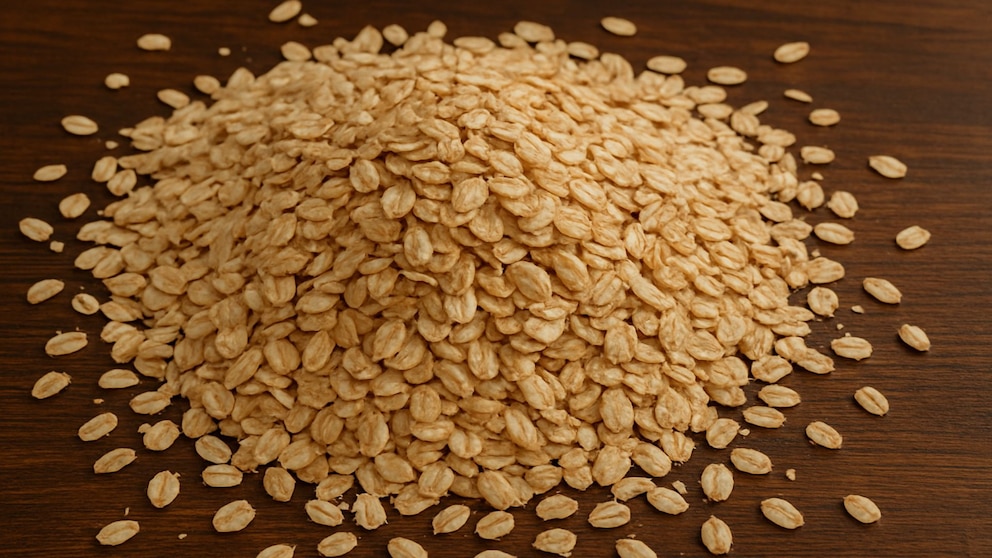
The oatmeal It is a whole grain present in various cultures, valued for being affordable, versatile and easy to preserve. Its beta-glucan fiber was linked to a cholesterol-lowering effect, while phenolic antioxidants helped neutralize free radicals associated with inflammation.
One cup cooked provided about 8 grams of fiber and minerals such as iron, potassium, magnesium and zinc. In addition, it could be used in sweet or savory recipes, or ground to obtain flour and integrated into homemade preparations.

Far from its reputation as an unhealthy food, purple potato presented anti-inflammatory effects cited by specialists. Lauren Manakernutritionist consulted by Eating Wellexplained that its color was due to a high concentration of phenols, anthocyanins and carotenoids, antioxidants associated with the elimination of free radicals.
Three small purple potatoes provided approximately 90 calories and 2 grams of fiberwhich positioned them as an alternative compatible with a balanced diet, according to the publication.

He sorghum It is an ancient grain less common outside of some regions, but with nutritional potential and naturally gluten-free. Manaker noted that it contained bioactive compounds with anti-inflammatory effects, mainly phenolic acids and flavonoids.
One cup of cooked sorghum provided 13 grams of fiber, one of the highest figures among grains. This contribution favored intestinal health and was associated with a sustained reduction in inflammation. It was suggested to incorporate it as a replacement for other grains, such as quinoa or rice.

The spelledan ancient relative of wheat and widespread in German baking, had an outstanding nutritional profile. Although it contained gluten, its concentration was lower than in common wheat. For this reason, it was not suitable for people with celiac disease, and those who had a mild intolerance to wheat should consult a professional before incorporating it.
Half a cup of cooked spelled provided 4 grams of fiber and just over 125 calories. It also provided manganese, B vitamins and copper. Peterson recommended purchasing spelled flour or grains and preparing the grains as farro. In baking, he suggested replacing half of the usual flour with spelled in homemade recipes.
The dietary fiber was among the most effective nutrients to combat inflammation, according to Eating Well. Regular consumption of whole grains and vegetables promoted intestinal health, helped maintain a healthy weight, and was associated with a decrease in inflammatory markers.
These foods provided fiber as well as phytochemicals, vitamins and minerals that strengthened the immune system and intestinal microbiota. Choosing whole carbohydrates such as buckwheat, oats, purple potatoes, sorghum and spelled allowed diversifying the diet and was linked to the prevention of ailments associated with chronic inflammation.
Maintaining a diet rich in fiber was considered key to a healthy intestine and balanced microbiotaby promoting a favorable environment for beneficial bacteria. This interaction prolonged satiety and contributed to reducing inflammation in the body, he stressed. Eating Well.

