


Annual inflation in Colombia stood at 5.51 percent in October, thus completing four consecutive months of growth, moving a little further away from the 3 percent goal established by the Bank of the Republic. The annual variation in the cost of living for the tenth month of 2025 is slightly higher by 0.10 percentage points than that of the same month of 2024, compared to the data for September of this year there is also an increase of 0.23 percentage points, as reported by the National Administrative Department of Statistics (Dane).
Although the monthly variation of the CPI was moderate (0.18 percent), the annual rebound shows that inflation remains above the target range of the Bank of the Republic, largely due to persistent increases in the costs of housing, public services and meals outside the home.
READ ALSO
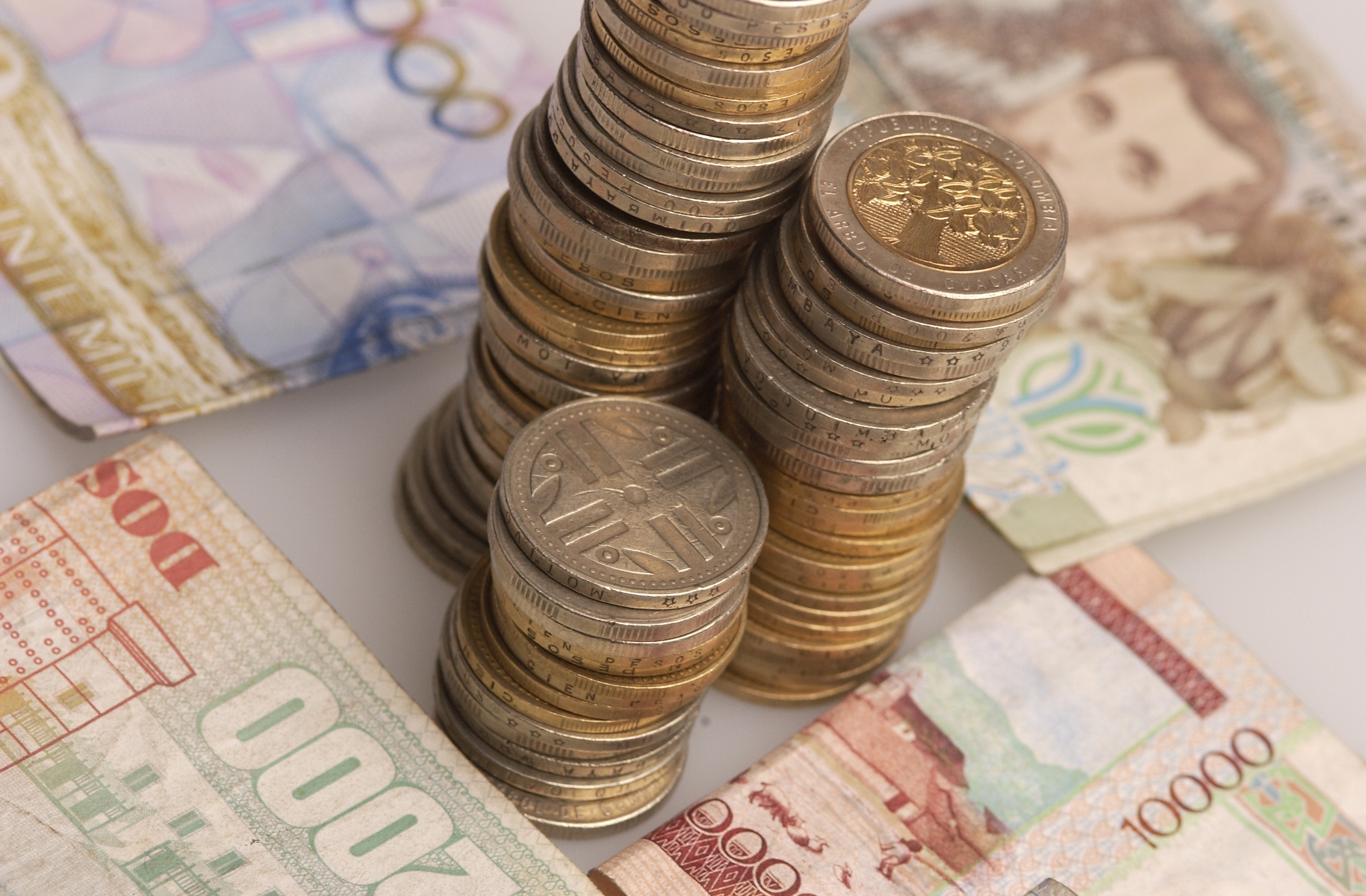
The last annual result higher than that observed in October 2025 was presented in September 2024, when the CPI stood at 5.81 percent, reported the official statistical entity.
According to César Mauricio López, director of the Department of Methodology and Statistical Production of Dane, The annual behavior of the index was mainly explained by the variation in the divisions Accommodation, water, electricity, gas and other fuels and Food and non-alcoholic beverages, which together account for a large part of household spending.
In the breakdown by sector, the Restaurants and Hotels division led the increases with an annual variation of 7.61 percent, driven by higher prices for hot beverages—such as coffee, chocolate and hot oatmeal—, whose average increase was 11.84 percent, in addition to the increase in payment for food in dining rooms (8.64 percent) and meals in self-service establishments (7.79 percent).
The Restaurants and Hotels division led the increases with an annual variation of 7.61 percent. Photo:iStock
It was followed by the Education category, with an annual variation of 7.34 percent, reflecting the increase in enrollment and pensions in secondary schools (8.76 percent) and primary schools (8.68 percent). For its part, Information and communication was the division with the lowest increase with just 0.69 percent, remaining stable thanks to fixed rates for telephone and internet services.
What went up and down the most
The report indicates that the largest contributions to the increase in the CPI came from imputed rent (0.66 percentage points), meals in table service and self-service establishments (0.58 points) and actual rent (0.50 points).
In contrast, some basic foods recorded drops in their prices, helping to moderate the general advance of the indicator. Potatoes subtracted -0.15 percentage points from the annual result, followed by rice (-0.05 points) and mobile telephone equipment (-0.04 points), which presented decreases.
Year-to-date variation
Between January and October 2025, the accumulated increase in the CPI was 4.74 percent, higher than the 4.44 percent observed in the same period of 2024. The behavior of the current year was also dominated by increases in housing, energy and gas services, in addition to meals outside the home.
READ ALSO
During the year, education accumulated the greatest variation (7.36 percent), followed by Restaurants and hotels (6.18 percent), while Information and communication (0.84 percent) was once again the one with the least movement. Regarding specific products, imputed rent (0.57 points) and meals in establishments (0.47 points) were the ones that contributed the most to the increase in the indicator.
Relief from food
In October, the monthly variation of the CPI (0.18 percent) was marked by higher prices in Recreation and culture (0.81 percent) and health (0.65 percent), while the Food and non-alcoholic beverages group registered a drop of 0.35 percent, providing a slight respite to the cost of living.
Preventing food prices from skyrocketing, an alternative to curbing the cost of living. Photo:Carlos Arturo García M.
The Dane highlighted significant reductions in products such as tomatoes (19.61 percent), tree tomatoes (-7.88 percent) and carrots (-5.89 percent), although others such as arracacha, yams and cassava presented increases of more than 5 percent.
The statistical entity’s report also showed for the tenth month of 2025 that inflation did not affect all households equally. Middle and high-income families experienced greater increases due to the weight that housing and education services have within their consumption basket, while low-income households felt less inflationary pressure thanks to the reduction in some fresh foods.
As for the cities, Bicaramanga, Pereira and Villavivencio, were the regions with the greatest variation in the annual cost of living, according to the Dante report with 6.17; 6.02 and 5.99 percent, respectively. Meanwhile, those that presented the least advance in the CPI were Santa Marta, Valledupar and Florencia with 4.06; 4.51 and 4.59, in their order
The challenge towards the end of 2025 will be to contain the effects of energy costs and the indexation of service prices, in a context of salary adjustments and expectations of economic reactivation, some analysts warn.

