


The lack of physical activity It continues to be one of the main challenges for public health worldwide. According to the World Health Organization (WHO), about 31% of adults do not reach recommended levels of exercise. In the case of Peruonly the 26% of the population exercises regularlywhich increases the risk of cardiovascular diseases, obesity, diabetes and mental health problems, according to data from the Ministry of Health.
In this context, swimming and aquatic exercises have once again positioned themselves as one of the most complete options to improve physical and emotional health.
“He Aquatic training allows you to work the whole body, improve resistance and reduce stress”explains Maria Eneyda RomeroBrand Manager of Swim World. This makes it easier for people to maintain a regular routine over time.
One of the main benefits of swimming is to strengthen the cardiovascular system. As an aerobic activity, it promotes heart function and improves blood circulation, helping to increase physical resistance. The controlled breathing required by this discipline also helps to optimize lung capacity and control physical effort.
Furthermore, it is a comprehensive training. In each swimming session, arms, legs, abdomen and back are activated simultaneously, which allows develop strength, coordination and balance. Unlike other high-impact exercises, water decreases the load on the knees, hips and spine. Thus, the risk of injuries is reduced and swimming is consolidated as an ideal alternative for people of different ages or with joint discomfort.
According to the Dr. Matthew Croweorthopedic surgeon and sports medicine expert at the Mayo Clinic, “swimming is gentle on the joints and excellent for both cardiovascular health and core strengthening.” Unlike high-impact sports, the aquatic environment reduces the load on the joints, minimizing the risk of acute injuries to the knees, hips and ankles.
Water provides buoyancy, allowing the body to move freely and without the mechanical stress that other land-based exercises generate. Additionally, swimming strengthens the core muscles—abdominals, lower back, and the muscles surrounding the shoulder blades—essential for stability and injury prevention. The coordinated work of arms and legs, added to the strengthening of the core, protects the swimmer from common discomforts such as sprains or muscle overloads.
Although overuse injuries can occur in competitive swimmers, especially in the shoulders, most of these problems are associated with incorrect techniques or overtraining. Therefore, Dr. Crowe emphasizes the importance of complementing swimming with strength and resistance exercises outside the pool.

In addition to their physical effectsspecialists highlight the positive impact it has on the mental health. Contact with water and repetitive movement generate a feeling of relaxation which contributes to reducing stress levels. It also requires the concentration necessary to coordinate breathing and technique, which allows you to momentarily disconnect from daily worries and improve your mood.
María Eneyda Romero states: “In swimming, technique is essential. Efficiency in each stroke allows you to optimize effort and improve performance if you swim in open water. In this season where the climate changes, fans of open water swimming need spaces where they can perfect their technique without distractions or obstacles.”
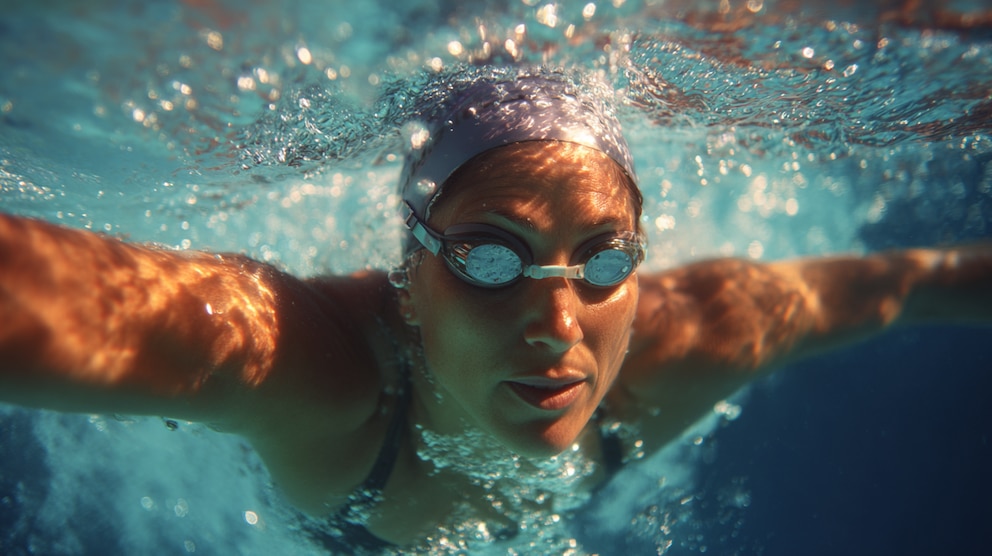
Precisely, technique has become one of the most important factors to obtain better results and avoid unnecessary wear during training. For this reason, in recent years, new technological alternatives such as countercurrent pools or Endless Pools have begun to become popular, systems that generate an adjustable current and allow continuous swimming without the need for large spaces.
This type of pool not only facilitates training in urban areas, but also helps to perfect posture, breathing and coordination of movements, as it allows you to maintain a constant and controlled rhythm. In addition, it represents a practical solution for those looking to train all year round, regardless of weather conditions.
With benefits ranging from cardiovascular health to emotional well-being, swimming continues to establish itself as one of the most complete and accessible physical activities. Its versatility and low impact make it an ideal alternative for those looking to incorporate exercise into their daily routine in a sustainable and safe way.

